
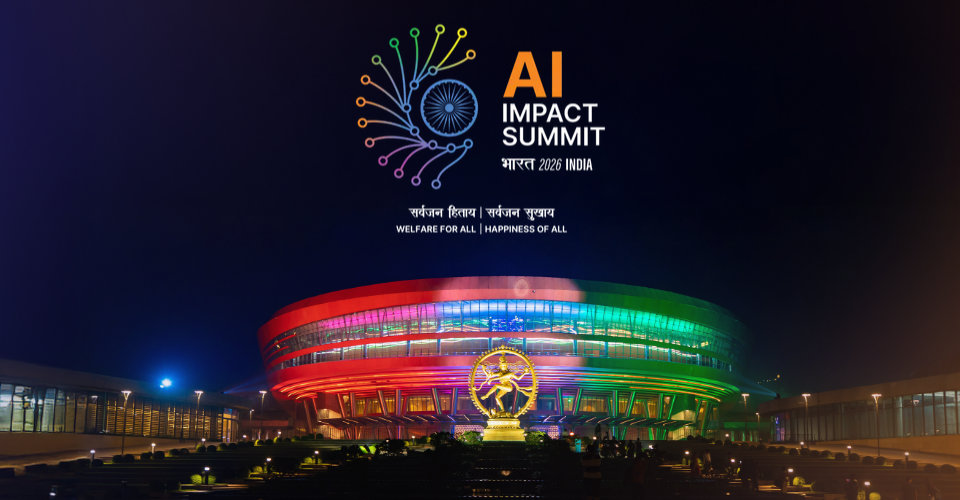
NCG-KCDO at India AI Summit 2026
Advancing AI-Driven Innovation in Cancer Care
National Cancer Grid (NCG) - KCDO (Koita Centre for Digital Oncology) in collaboration with the IndiaAI Mission, is proud to participate in the India AI Summit 2026 - the world’s largest gathering of AI leaders, policymakers, innovators, and technology enablers.
Our presence at the summit highlights ongoing efforts to accelerate AI-enabled solutions in oncology, foster innovation, and strengthen collaboration across the healthcare ecosystem.

CATCH Grant Winners 2026
DeepTek
DeepTek strengthens early lung cancer detection by combining diagnostic accuracy, operational reliability, and seamless integration into existing radiology workflows.

Endimension Technology Private Limited
ENDIMENSION enhances diagnostic speed, accuracy, and continuity of neuro-oncology care while reducing reporting delays and variability across imaging workflows.

Foster AI
Foster AI bridges the gap between complex clinical communication and patient understanding, empowering patients and caregivers to make informed decisions without increasing workload for healthcare providers.

Lenek Technologies Private Limited
Lenek’s platform strengthens continuity of care by streamlining early screening through definitive diagnosis, helping healthcare systems detect lung cancer sooner and manage patient journeys more effectively.
Manentia Ai
PREDICT-AI strengthens precision in surgical triage by bridging expert intuition with data-driven insights, enabling more efficient and evidence-aligned testicular cancer care.

Qure.ai
Qure’s integrated approach moves beyond isolated AI tools to enable structured, continuous, and patient-centred lung cancer care pathways at scale.

Rad AI Private Limited
MAMMO-Q enables faster, consistent, and scalable breast cancer screening while reducing reporting variability and infrastructure barriers.

Revan AI
BandhuCare strengthens patient understanding, emotional support, and continuity of care by delivering reliable guidance beyond hospital walls, enabling more informed and confident participation in cancer treatment journeys.
Vyuhaa Med Data - CerviAI
CerviAI empowers healthcare providers to deliver faster, scalable, and reliable cervical cancer screening where it is needed most.
Wellytics
Wellytics enhances operational efficiency and clinical quality by reducing fragmentation, improving trial participation, and enabling data-driven oncology care at scale.
Technical Partner:

International Institute of technology Hyderabad, Revan AI
BandhuCare – A Multilingual AI-Powered Support Platform for Indian Cancer Patients
Clinical Partner:
Christian Medical College
- Category: Patient Engagement
- Current Usage: 100 patients
- Status: Pilot Ready
- Sites: Christian Medical College (CMC), Vellore and multiple other sites

The Challenge
Cancer patients in India often face gaps in access to reliable, comprehensible, and language-appropriate information. Limited availability of continuous psychosocial support—especially outside tertiary centres—can affect treatment adherence, symptom reporting, and overall quality of life, particularly among linguistically diverse and digitally underserved populations.

The Solution
BandhuCare is a multilingual, AI-powered patient engagement platform designed to provide continuous, accessible support throughout the cancer care journey. The platform offers voice- and text-based interactions, symptom tracking, and clinician-verified information delivered across 8–10 Indian languages.

Impact & Scale Potential
BandhuCare strengthens patient engagement, improves adherence to care plans, and supports psychosocial well-being across the cancer continuum. With its advanced maturity and inclusive design, the platform is well positioned for scale across National Cancer Grid institutions and diverse regional contexts.
Technical Partner:
DeepTek
Augmento: National-Scale Data Curation and AI Orchestration PACS Platform
Clinical Partner:
Tata Memorial Hospital, Mumbai
- Category: Data Curation
- Current Usage: 1 Lakh patients-1 yr
- Status: Pilot Ready
- Sites: Tata Memorial Hospital and multiple other centres
The Challenge
National-scale oncology research and AI adoption are constrained by fragmented imaging and clinical data, lack of interoperability across hospital systems, and absence of standardised, privacy-preserving data curation mechanisms. Most PACS deployments function only as archival systems. These limitations restrict the ability of NCG institutions to build large, longitudinal, and research-ready datasets for population-scale oncology AI.
The Solution
Augmento is a regulatory-cleared, interoperable PACS and AI orchestration platform that enables large-scale imaging and clinical data curation, anonymisation, and research-ready organisation. It functions both as a clinical-grade PACS and a dedicated research engine, supporting seamless integration of imaging, pathology, and clinical records across institutions.
Impact & Scale Potential
Augmento provides NCG with a foundational digital infrastructure for population-scale oncology data curation and AI-driven research. By transforming routine clinical data into structured, longitudinal, and anonymized datasets, the platform enables multi-centre studies, AI model development, and real-world evidence generation at unprecedented scale.
Technical Partner:
Wellytics
AI Oncology Agent for Evidence-based Summaries, Guideline Support, and Clinical Trial Matching
Clinical Partner:
Malabar Cancer Centre, Thalassery
- Category: Operational Efficiency
- Potential Impact: 50,000 patients - 1 yr
- Status: Pilot Ready
- Sites: Deployed across multiple hospitals
The Challenge
Oncology care involves extensive clinical documentation, frequent guideline updates, and complex eligibility assessments for clinical trials. These activities place a significant administrative burden on clinicians and can lead to variability in evidence-based decision-making, delayed care pathways, and under-enrolment in trials.
The Solution
Wellytics is an AI-powered oncology agent designed to streamline and standardise clinical operations across the cancer care continuum. The platform automates clinical documentation, supports real-time alignment with global oncology guidelines, and matches patients to relevant clinical trials - including genomics-informed studies.
Impact & Scale Potential
Already deployed across leading cancer centres, Wellytics demonstrably reduces clinician administrative burden, improves adherence to evidence-based guidelines, and expands patient access to appropriate clinical trials. With its advanced maturity and proven multi-centre adoption, the platform is well positioned for wider scale-up across National Cancer Grid institutions.
Technical Partner:
Foster AI
Improving Patient Comprehension via AI-Generated Clinical Summaries: Pilot study at TMH
Clinical Partner:
Tata Memorial Hospital, Mumbai
- Category: Patient Engagement
- Current Usage: 300 patients, 6 months
- Status: Pilot Ready
- Sites: Tata Memorial Hospital
The Challenge
Cancer consultations often involve complex medical terminology, multiple care decisions, and emotional stress. Patients frequently leave clinical encounters with limited understanding of their diagnosis, treatment plans, and next steps, which can negatively affect adherence, trust, and continuity of care - particularly among populations with varied literacy and language proficiency.
The Solution
Foster AI is a patient-centred AI solution that transforms clinical consultations into clear, accessible, and actionable summaries. Using multimodal AI scribing, the system converts visit transcripts into literacy-tiered, patient-friendly summaries that reflect clinician intent while remaining easy to understand.
Impact & Scale Potential
Foster AI enhances patient understanding, engagement, and confidence in care decisions, supporting better adherence and continuity across oncology pathways. With its low-infrastructure, language-first design, the solution is well positioned for scale across diverse cancer care settings within the National Cancer Grid.
Technical Partner:
Endimension Technology Pvt. Ltd.
Validation and Deployment of AI-Powered Brain Tumour & Emergency Abnormality Detection
Clinical Partner:
Tata Memorial Hospital, Mumbai
- Category: Diagnostics
- Potential Impact: 500+ patients - 1yr
- Status: Pilot Ready
- Sites: Tata Memorial Hospital
The Challenge
Timely identification of brain tumours and critical neurological abnormalities on CT and MRI is essential for both emergency response and oncology care. However, increasing imaging volumes, radiologist workload, and inter-reader variability delays diagnosis—particularly in high-pressure emergency settings and longitudinal cancer care pathways.
The Solution
ENDIMENSION has developed an AI-powered neuro-imaging solution that delivers real-time detection, localisation, and volumetric quantification of brain tumours and emergency abnormalities from CT and MRI scans. The system automatically flags high-risk findings, supporting rapid triage and informed clinical decision-making.
Impact & Scale Potential
The solution supports faster triage in emergency settings, improves diagnostic consistency in neuro-oncology, and reduces radiologist burden. With its pilot-ready maturity and oncology-focused design, the platform is well positioned for scalable deployment across National Cancer Grid centres.
Technical Partner:
Lenek Technologies Pvt. Ltd.
Portable handheld device for end-to-end AI-enabled screening platform for early lung cancer detection
Clinical Partner:

Kamala Nehru Memorial Hospital (KNMH), Prayagraj
- Category: Screening
- Potential Impact: ~2,000 LDCT scans - 1 yr
- Status: Pilot Ready
- Sites: Kamla Nehru Hospital
The Challenge
Early lung cancer detection is hindered by fragmented screening pathways, delayed referrals, and lack of integration between community-level screening and tertiary diagnostics.
The Solution
Lenek’s platform integrates portable chest X-ray acquisition, AI-based X-ray analysis (LIRA), and low-dose CT workflows into a unified screening-to-diagnosis pathway. It supports rapid nodule detection, malignancy risk assessment, and Lung-RADS-aligned reporting.
Impact & Scale Potential
The platform enables coordinated lung cancer screening programs and is suitable for NCG-led population screening initiatives.
Technical Partner:
Rad AI Private Limited
MAMMO-Q: AI-Enabled End-to-End Mammography Screening & Reporting Platform for Resource-Limited Settings
Clinical Partner:
Max Healthcare, Delhi
- Category: Screening
- Current Usage: 3000 patients - 1yr
- Status: Pilot Ready
- Sites: Max healthcare, Saket
The Challenge
Breast cancer screening in India faces persistent constraints due to a shortage of trained breast radiologists, ageing mammography infrastructure, and increasing reporting volumes. These challenges are amplified outside major urban centres, leading to delays in diagnosis and inconsistent screening quality.
The Solution
An AI-powered mammography screening and reporting platform that delivers rapid, standardised, and clinically interpretable outputs across the screening workflow. The system performs automated image quality assessment, lesion detection, breast density evaluation, BI-RADS categorization, and structured report generation—typically within one minute per study.
Impact & Scale Potential
MAMMO-Q reduces radiologist workload and improves reporting consistency. With its pilot-ready maturity and compatibility with existing infrastructure, the platform enables decentralized screening across Tier-2 and Tier-3 healthcare settings, supporting earlier detection and improved outcomes.
Technical Partner:
Vyuhaa Med Data
CerviAI: Comprehensive
End-to-end Cervical Cancer Screening System In-situ
Clinical Partner:
HBCH & RC Vishakapatnam
- Category: Screening
- Current Usage: 15000+ tests over 1.5 years
- Status: Pilot Ready
- Sites: HBCHRC, VIZAG
The Challenge
Cervical cancer screening in India is constrained by specialist dependence, fragmented workflows, and delayed turnaround times. Conventional cytology is resource-intensive and difficult to scale, particularly in peripheral and low-resource settings.
The Solution
CerviAI is a fully integrated, AI-powered cervical cancer screening platform that combines patented GPU-accelerated whole-slide imaging hardware with edge-based AI analytics. It enables real-time digitisation and automated analysis of cervical cytology samples directly at the point of care.
Impact & Scale Potential
CerviAI enables reliable, standardized cervical cancer screening in high-volume and low-resource settings and is positioned for multi-centre validation and scale-up across National Cancer Grid institutions.
Technical Partner:
Manentia Ai
PREDICT-AI- AI-based Decision Support for RP-LND Requirement Prediction in Post-Chemotherapy Testicular Cancer Patients – Predict AI
Clinical Partner:

Tata Memorial Hospital, Mumbai KCDH, Ashoka University
- Category: Research
- Current Usage: 100+ test cases
- Status: Pilot Ready
- Sites: Tata Memorial Hospital
The Challenge
Determining the need for retroperitoneal lymph node dissection (RP-LND) following chemotherapy in testicular cancer is clinically complex. Decisions rely on subtle radiological patterns and expert judgement, often leading to variability in care, potentially unnecessary surgeries, or delayed interventions that impact outcomes and resource use.
The Solution
Predict-AI is an AI-driven clinical decision support system that analyses paired pre- and post-chemotherapy CT scans together with relevant clinical data to predict the likelihood that a patient will benefit from RP-LND. By quantifying radiological response patterns that are typically assessed qualitatively by experts, Predict-AI supports more consistent and timely surgical decision-making.
Impact & Scale Potential
Predict-AI has the potential to optimise surgical decision-making, reduce unnecessary RP-LND procedures, and improve utilisation of specialist surgical resources. With further validation, the approach could be extended to other centres of excellence and adapted to similar post-therapy decision points in oncology.
Technical Partner:
Qure Ai
Comprehensive AI Imaging for Early Lung Nodule Detection and Care Pathways
Clinical Partner:

Rajiv Gandhi Cancer Institute & Research Centre , Delhi
- Category: Screening
- Current Usage: 100+ countries, 4000+ sites
- Status: Pilot Ready
- Sites: Rajiv Gandhi Cancer Institute
The Challenge
Lung cancer care pathways frequently break down due to fragmented detection, delayed diagnostic escalation, and poor continuity of follow-up across care settings. These gaps contribute to late-stage diagnosis and loss to follow-up, limiting the effectiveness of screening initiatives.
The Solution
The Qure Lung Cancer AI Suite is an integrated ecosystem that supports the full continuum of lung cancer care—from early screening to diagnosis and longitudinal follow-up. The suite combines qXR for chest X-ray screening, qCT for CT-based diagnostic assessment, and qTrack for ongoing patient monitoring and navigation. Together, these components enable coordinated, data-driven lung cancer pathways across imaging modalities and care settings.
Impact & Scale Potential
Qure’s integrated AI suite enables population-scale lung cancer screening programs while maintaining continuity from screening to follow-up. With its pathway-centric design, the solution is well suited for coordinated deployment across National Cancer Grid institutions.
CATCH Grant Finalists 2026
Affordable Quality Health (AQH)
CerviScreen uses AI-driven mobile cervicography to bring patient-centric cervical cancer screening to underserved communities and strengthen early detection efforts.

B Cell Biologicals
B Cell brings affordable cervical cancer screening to the point of care through AI-driven molecular detection and real-time prognostic insights.
C-DAC-AI&QT
iOncology.ai brings together cancer diagnostics, patient-consent systems, and responsible AI governance to support trustworthy, scalable AI adoption in oncology.
Dectrocel Healthcare and Research Private Limited
DecXpert enhances lung cancer screening with fast, accurate AI-based nodule detection and seamless hospital integration, enabling earlier diagnosis and more equitable access to care.
DeepTek
DeepTek enhances early lung cancer detection with validated, explainable AI that works across hospital systems and mobile screening programs for scalable impact.
Futurtap
Futurtap combines diverse cancer data streams into a single AI-driven diagnostic engine, enabling deeper insights, stronger predictions, and scalable precision oncology.
MCC (PGIOSR)
A multimodal AI platform combining hospital data streams to power real-time decision support, risk prediction, tumor boards, and oncology research insights.

Medsee AI
Medsee AI is an AI-powered platform that uses skeletal muscle analysis from CT scans to personalize chemotherapy dosing and improve patient safety.

Meeval Care
Meeval Care supports ongoing patient monitoring by enabling symptom and medication tracking, timely reminders, and clinician visibility, with built-in triage to surface concerning trends early.
Navya Earthshot
Navya Earthshot is an AI-powered decision support platform that converts NCG guidelines into structured, point-of-care recommendations, summaries, and concordance tracking to streamline clinical workflows.

OncoAI - Research Team
OncoAI enhances breast cancer diagnosis with multimodal imaging AI and explainable analytics, supporting radiologists with faster, more consistent detection and risk assessment.

OncoPath AI - AI for cancer pathology
OncoPath AI brings objective, standards-aligned AI analysis to cancer pathology by identifying key invasion patterns and translating them into clear categories for improved diagnosis and treatment planning.

OncoPredict AI
OncoPredict AI leverages advanced imaging and predictive models to support lung cancer classification, therapy selection, and automated radiation planning-enabling affordable, scalable oncology care, especially in low-resource settings.
Partex AI
An AI platform that uses multimodal data to match patients to clinical trials, optimize study design, and predict trial success with actionable insights.
Partex AI
Partex.ai connects patients and care teams through AI-enabled engagement, secure data sharing, and personalized education to improve adherence, communication, and continuity of cancer care.

PRR.AI (A Unit of Softsensor AI Private Limited)
NuGleason by PRR.AI is an AI-powered pathology tool that analyzes prostate biopsy images to detect tumors and generate standardized Gleason grades, improving diagnostic consistency while enabling pathologist review and validation.
SAKHI Manipal
SAKHI Manipal empowers frontline screening with offline, explainable AI that flags cervical abnormalities and delivers reports in low-connectivity regions.
TMC Kolkata
DRAW transforms radiotherapy planning with automated, standards-aligned segmentation and secure multi-center deployment for faster, consistent treatment workflows.
- Category: Diagnostics
- Current Usage: 40 users+
- Status: Pilot Ready
- Sites: AIIMS delhi
The Challenge
There is a significant gap in clinical validation of AI models before deployment, risking inaccurate, biased, or non-generalizable outcomes in real-world oncology settings.
Most AI solutions rely on static or open datasets, lacking testing within real clinical workflows and diverse patient populations.
Absence of robust consent management systems limits patient control, regulatory compliance, and ethical data usage in healthcare AI.
The Solution
iOncology.ai is an AI-powered oncology data platform for breast and ovarian cancer diagnostics and therapeutics. The project will integrate clinical validation, a multilingual patient consent management system, and a Responsible AI framework ensuring privacy, fairness, and regulatory compliance. These modules will enable ethical, transparent, and clinically reliable AI deployment in cancer care.
Impact & Scale Potential
The platform will enable clinically validated AI models for breast and ovarian cancer, improving diagnostic accuracy and treatment decision support at scale.
Integration of dynamic multilingual consent management will strengthen patient trust, regulatory compliance, and ethical adoption across hospitals.
Technical Partner:
Deep Tek
AI-Enabled Chest X-ray Screening for Early Lung Cancer Detection
Clinical Partner:
Tata Memorial Hospital, Mumbai
- Category: Screening
- Current Usage: 1 lakh patients - 1 yr
- Status: Pilot Ready
- Sites: Tata memorial Hospital
The Challenge
Lung cancer remains one of the leading causes of cancer mortality in India, largely due to late diagnosis. Limited access to CT scans and a shortage of radiologists exacerbate the problem, particularly in low-resource and semi-urban settings. Chest X-ray, being the most widely available imaging modality, presents an opportunity to enable early detection at scale. However, manual interpretation is constrained by delays, variability, and missed subtle findings such as early-stage nodules.
The Solution
DeepTek’s AI-powered chest X-ray solution enables early lung cancer detection by identifying nodules, masses, and 22 thoracic abnormalities with explainable outputs like heat maps and bounding boxes. Validated on 500,000+ CXRs and approved by CDSCO, CE MDR IIb, and US FDA, it integrates with PACS/RIS, works offline, and supports mobile outreach.
Impact & Scale Potential
At scale, the solution can significantly reduce diagnostic delays and missed early-stage cancers, particularly pulmonary nodules and lung masses that are often subtle on X-rays. Real-world deployments show up to 2–3x improvement in radiologist productivity and up to 60% reduction in reporting turnaround time, enabling faster referral pathways and earlier initiation of treatment.With proven deployment across 500,000+ scans and regulatory clearances (CDSCO, CE MDR, FDA), the platform is already operationally ready for national roll-out. Its seamless PACS/RIS integration, offline capability, and mobile van compatibility allow rapid expansion across NCG hospitals, district hospitals, and community screening programs.
Technical Partner:
Navya
Building Local Capacity for AI-enabled Cancer Care: Training NATCO Cancer Centre, Guntur General Hospital and Medical College Staff to Deploy Navya Earthshot at Point of Care
Clinical Partner:
NATCO Cancer Centre, Guntur General Hospital and Medical College
- Category: Clinical Treatment
- Current Usage: 2000+ users
- Status: Pilot Ready
- Sites: NATCO Cancer Centre, Guntur General Hospital and Medical College
The Challenge
Cancer care in India suffers from oncologist shortages and limited multidisciplinary expertise, especially in non-metro and government hospitals. NCG guidelines, though evidence-based, are complex and difficult to operationalize during busy clinics, leading to inconsistent adherence. Clinicians must process large volumes of unstructured patient data, resulting in delays, variability in decisions, and patient anxiety. There is no systematic mechanism to track real-world guideline concordance or ensure accountability across institutions.
The Solution
Navya Earthshot is an AI-powered decision support platform that transforms NCG guidelines into actionable, point-of-care recommendations. Using NLP and machine learning, it generates structured case summaries, patient reports, and guideline concordance tracking-reducing preparation time from hours to minutes.
Impact & Scale Potential
Navya Earthshot enables real-time, guideline-concordant decision support at the point of care, improving quality and consistency of oncology practice. By training residents and hospital staff to operate the platform, it creates a low-cost, sustainable model that does not depend on scarce specialist time. Proven deployments show faster clinical decision-making.
Technical Partner:
Partex AI
AI-Driven Clinical Trial Prediction and Patient Matching for Oncology Research Enablement
Clinical Partner:

- Category: Research
- Current Usage: 33,717 unique users, 27% returning. Average session time: 2.3 minutes.
- Status: Pilot Ready
- Sites: NCG Hospital
The Challenge
Oncology data in India is highly fragmented, siloed, and non-standardized, limiting its reuse for research and clinical decision-making.
Clinicians and researchers struggle with manual, time-consuming data discovery, spread across trials, publications, patents, and hospital systems.
The Solution
Its Trial Matching Engine analyzes patient records, treatment history, and eligibility criteria to identify suitable ongoing trials, while the Remote Phenotyping Module uses multimodal data to derive digital phenotypes for eligibility and stratification, informed by prior large-scale multimodal research. A Protocol Design & Feasibility Predictor estimates trial success probability by assessing endpoints, comparators, study duration, and investigator capacity, and an Investigator & Site Recommendation module identifies high-probability sites based on enrollment performance, experience, and publication strength.
Impact & Scale Potential
Unlike static hospital databases, Ontosight uses ontology-based knowledge graphs to unify disparate biomedical sources-trials, publications, patents, and treatment guidelines-into a semantically linked, HL7/DICOM-ready knowledge base. Traditional repositories require structured queries or IT expertise. Ontosight’s conversational AI interface allows clinicians and researchers to retrieve insights in natural language, democratizing access to advanced analytics. Beyond curation, Ontosight provides a foundation for downstream AI applications-such as trial feasibility analysis, biomarker discovery, and treatment pattern modeling-making it a strategic enabler for India’s AI-in-health mission."
Technical Partner:
Dept of Radiation Oncologist, TMC Kolkata
Improving Radiotherapy Process quality using Deep Learning based Radiotherapy Autosegmentation Workflow (DRAW)
Clinical Partner:
PGIMER and KMC Manipal
- Category: Clinical treatment
- Current Usage: 520 unique patients
- Status: Pilot Ready
- Sites: PGIMER and KMC Manipal
The Challenge
Target volume delineation is the most error-prone and variable step in radiotherapy, with high inter-observer variability leading to frequent peer-review modifications and inconsistent treatment quality.
Existing commercial autosegmentation tools lack custom structures, transparent validation, and Indian patient representation, limiting their clinical reliability.
The Solution
DRAW is an end-to-end radiotherapy autosegmentation pipeline integrating training and inference into clinical workflows. It automates dataset curation, segmentation, validation, and performance tracking per AAPM TG263 standards. Deployed via secure, on-demand GPU VMs, it enables seamless, license-free model deployment, PHI-safe data handling, and synchronized updates across centers.
Impact & Scale Potential
DRAW enables standardised, clinically validated autosegmentation across NCG centres, reducing modification rates and improving consistency in radiotherapy planning.
Centralised deployment allows immediate access to updated models without capital investment in local GPU infrastructure, making it highly scalable nationwide.
Rapid model development supports new anatomical sites and trial-specific structures, enabling expansion beyond cervical cancer to other radiotherapy indications.
Technical Partner:
Partex AI
AI-Powered Patient Engagement Ecosystem for Cancer Care in India
Clinical Partner:
- Category: Patient Engagement
- Current Usage: 1.5 + million globally
- Status: Pilot Ready
- Sites: NCG Hospital
The Challenge
Cancer patients in India face fragmented care journeys, poor coordination between hospitals, and limited access to reliable information, leading to confusion, anxiety, and low treatment adherence.
Most digital solutions are hospital-centric or EMR-dependent, excluding patients in Tier-2/3 settings and low-resource environments.
Language barriers, low health literacy, and lack of continuous psychosocial support further widen inequities in patient outcomes.
Additionally, patient-generated data remains underutilized, resulting in missed opportunities for real-world evidence and research-driven care improvement.
The Solution
An integrated platform supporting cancer patients, hospitals, and researchers through three components:
- Onco App – Patient-Centric Engagement
- Symptom tracking and smart reminders for adherence.
- Multilingual AI translation of clinical instructions. Personalized education on treatment, nutrition, and self-care. Verified second opinion services.
- My Data Vault: secure, consent-based record storage and sharing.
Impact & Scale Potential
The platform improves treatment adherence, patient empowerment, and real-time clinical engagement, leading to better outcomes and reduced dropouts.
By enabling consent-driven data sharing, it accelerates real-world oncology research while maintaining privacy and trust.
Its plug-and-play, low-infrastructure design allows rapid scaling across hospitals, NGOs, and national cancer programs.
Technical Partner:
Futurtap
Next-Gen Multimodal AI for Cancer Diagnosis Leveraging CNNs, Transformers and fusion models
Clinical Partner:
- Category: Diagnostics
- Status: Pilot Ready
- Sites: NCG Hospital
The Challenge
Current cancer diagnostics rely on siloed modalities (imaging, pathology, genomics, EHRs) that are fragmented, time-consuming, and highly subjective, leading to delayed, inconsistent, and sometimes inaccurate clinical decisions.
The Solution
The solution uses multimodal AI to integrate radiology images, pathology slides, genomic profiles, and clinical records into a single diagnostic model. CNNs and Transformers extract rich features from each data type, while fusion networks combine them for stronger predictive power. This approach captures cross-modality patterns that single-source AI misses, enabling more accurate, explainable, and scalable cancer diagnostics.
Impact & Scale Potential
By fusing imaging, genomic, and clinical data, the solution enables holistic and explainable cancer diagnosis with higher accuracy and reduced diagnostic uncertainty.It lowers dependence on scarce specialist expertise and supports standardized decision-making across hospitals.With federated learning and modular fusion models, the system can scale securely across institutions, including low-resource settings, enabling nationwide deployment.
Technical Partner:
Ramaiah University of Applied Sciences
OncoPath AI - Driven Histopathological Prognostication in Oral Cancer: Towards Scalable Clinical Deployment
Clinical Partner:


Dental Department, Ramaiah University
- Category: Diagnostics
- Current Usage: 15 pathologists will be validating
- Status: Pilot Ready
- Sites: Dental department, Ramaiah University, Bareilly & Rohilkhand Cancer Institute
The Challenge
Oral cancer diagnosis in India is hindered by late detection, shortage of expert pathologists, and highly subjective assessment of tumor invasion patterns, leading to inconsistent prognostication and delayed treatment decisions across care settings.
The Solution
TPhase I uses MAPSNet AI to detect fine-grained Worst Pattern of Invasion (WPOI) features in oral cancer images, and Phase II groups these patterns into three RCPath-UK categories-Cohesive, Non-cohesive, and Dispersed-usable for both biopsy and surgical specimens. This phased framework is unique in India, bringing objective AI-based pathology assessment aligned with international standards. It automates complex invasion-pattern recognition, reduces diagnostic variability, and converts detailed AI outputs into clinically actionable categories.
Impact & Scale Potential
MAPSNet enables objective and standardized WPOI classification, reducing inter-observer variability and improving clinical confidence.By translating complex patterns into RCPath-UK aligned categories, it supports actionable, guideline-based decision-making.Its compatibility with both biopsy and surgical specimens ensures seamless fit into routine workflows.With validation across multiple Indian institutions, the solution can scale nationally, strengthening oral cancer diagnostics in resource-limited centers.
Technical Partner:
PRR.AI (A Unit of Softsensor AI Private Limited)
NuGleason- Gleason Scoring Algorithm for Prostate Cancer
Clinical Partner:
- Category: Diagnostics
- Status: Pilot Ready
- Sites: NCG Hospital
The Challenge
Prostate cancer diagnosis in India is constrained by the shortage of expert uro-pathologists and the subjectivity of manual Gleason scoring, leading to inter-observer variability, delayed reporting, and inconsistent treatment decisions, especially in tier 2 and tier 3 regions
The Solution
NuGleason is an AI algorithm that detects tumor regions in prostate biopsy WSIs and assigns Gleason grades following ISUP/WHO guidelines.It segments glands into normal vs. abnormal, classifies glandular patterns, and generates a structured Gleason Score with the overall grade group.The tool improves diagnostic consistency, reducing inter-observer variability, and supports Human-in-the-Loop validation where pathologists can review or override outputs.It is interoperable with common pathology viewers and can also be deployed with PRR’s proprietary viewer (PathVu) for seamless workflow integration.
Impact & Scale Potential
NuGleason enables standardized Gleason scoring, reducing diagnostic discordance and improving clinical decision-making.Its human-in-the-loop design supports pathologists by automating routine cases while preserving expert oversight for complex ones.Being interoperable with existing pathology viewers, it allows seamless adoption without disrupting workflows.With cloud-native deployment, the solution can scale across NCG hospitals
Technical Partner:
Dectrocel Healthcare and Research Private Limited
Comprehensive Respiratory Screening Assistance Tool - DecXpert
Clinical Partner:

Sanjay Gandhi Postgraduate Institute of Medical Sciences
- Category: Diagnostics
- Current Usage: 10,000+ individual patients screened
- Status: Pilot Ready
- Sites: Sanjay Gandhi Postgraduate Institute of Medical Sciences
The Challenge
India faces a severe lung cancer burden driven by late-stage diagnosis, acute shortages of radiologists, fragmented imaging infrastructure, and limited access to screening in rural and underserved regions. These systemic gaps result in high misdiagnosis rates, long reporting times, and mortality exceeding 80% in low-resource settings.
The Solution
DecXpert is an AI-driven lung cancer screening platform that detects and characterizes nodules with over 95% accuracy in under a minute. Built for India’s cancer care needs, it reduces misdiagnosis 4x, improves early detection by 50%, and is 4x more affordable. Its adaptive, CDSCO-compliant architecture integrates easily into NCG hospital workflows, supporting scalable and equitable screening.
Impact & Scale Potential
DecXpert enables rapid, high-accuracy early detection significantly reducing diagnostic delays and missed cases.Its edge-based, online/offline design allows deployment even in low-connectivity environments across NCG hospitals.Being more affordable and vendor-agnostic, it supports large-scale population screening at minimal incremental cost.
Technical Partner:
Malla Reddy University
OncoAI: Multi-Modal Imaging and Machine Learning for Breast Cancer Diagnosis
Clinical Partner:

Malla Reddy Cancer Hospital & Research Institute
- Category: Diagnostics
- Current Usage: 300 per modality: ultrasound, mammography, PET/CT
- Status: Pilot Ready
- Sites: Malla Reddy Cancer Hospital & Research Institute
The Challenge
Breast cancer in India is often detected at advanced stages due to limited screening infrastructure, high patient load on radiologists, and reliance on single-modality imaging, leading to diagnostic delays and variability. The lack of integrated, explainable AI tools further constrains consistent and accurate interpretation across diverse clinical settings.
The Solution
An AI-driven diagnostic platform that integrates mammography, ultrasound, and PET/CT data to enhance early breast cancer detection and risk stratification. Using CNNs, ResNet/DenseNet models, and U-Net segmentation, it delivers automated, explainable lesion analysis to support radiologists and reduce diagnostic variability. Validated on retrospective datasets and aligned with Indian clinical needs, it is at TRL 5–6 with IEC approval and ready for NCG pilot deployment.
Impact & Scale Potential
The solution enables earlier and more accurate detection through multimodal AI, reducing missed diagnoses and improving patient outcomes.By functioning as a decision support system, it enhances radiologist efficiency and standardizes care across high-volume centres.Its cloud-enabled, modular architecture allows rapid scaling across NCG hospitals and integration with existing radiology workflows
Technical Partner:
Affordable Quality Health (AQH)
AI for Her Health – Cervi Screen
Clinical Partner:
Nitara Health
- Category: Screening
- Current Usage: 20 + doctors in 6 months
- Status: Pilot Ready
- Sites: Multiple doctors in these districts Madhya Pradesh, Assam and Haryana
The Challenge
Cervical cancer screening in India remains critically low (~1.9%) due to high costs, lab dependency, and limited rural access.
A shortage of specialists and urban concentration of services leads to diagnostic delays and missed early-stage cases.
Women face geographic, economic, and socio-cultural barriers, including long travel distances, stigma, and low health literacy.
Frontline health workers lack simple, real-time, decision-support tools, resulting in late detection and preventable mortality.
The Solution
AQH and Nitara Health’s CerviScreen uses AI-powered mobile cervicography to improve early detection, diagnostic accuracy, and efficiency. By addressing systemic challenges in public health, it supports to deliver equitable, patient-centric screening in underserved regions, bridging the gap to advanced technologies.
Impact & Scale Potential
The solution enables early detection at the last mile, significantly reducing late-stage diagnoses and preventable cervical cancer deaths.
By lowering cost and eliminating lab dependency, it supports population-scale screening across PHCs, outreach camps, and community programs.
Its AI-driven, mobile-first architecture allows rapid replication across states and integration into national programmes like NCG.
With continuous learning from real-world data, it has strong potential for nationwide and global deployment in low-resource settings.
Technical Partner:
B Cell
Next Generation AI-Powered Cervical Cancer Diagnostic for Early and Stage-Specific Detection: InstaLFA
Clinical Partner:
Adyar Cancer Institute
- Category: Screening
- Current Usage: 200 Users, 6 months
- Status: Pilot Ready
- Sites: Adyar Cancer Institute
The Challenge
Cervical cancer screening in India remains critically low ( < 2% ) due to high costs, invasive procedures, long turnaround times, and limited laboratory access. Existing methods provide delayed and binary results, offering little insight into disease progression or urgency of intervention.Rural and underserved populations face severe access barriers, including stigma, lack of specialists, and poor infrastructure.The absence of rapid, affordable, and point-of-care diagnostics leads to late-stage detection and preventable mortality.
The Solution
An AI-powered biosensor for rapid cervical cancer screening delivers results in 5–10 seconds, detecting disease-specific molecular signatures with high sensitivity. Beyond HPV detection, it provides stage-specific prognosis using self-learning AI trained on large clinical datasets. The device offers actionable insights for immediate referral, works in real time at the point of care, and is affordable and non-invasive
Impact & Scale Potential
This solution enables ultra-fast, affordable cervical cancer screening at the point of care, dramatically increasing early detection in low-resource settings.By delivering stage-specific prognosis within seconds, it supports timely referral and reduces late-stage diagnosis and mortality.Its non-invasive, portable, and low-cost design allows large-scale deployment across PHCs, rural clinics, and community programs.
Technical Partner:
SAKHI Manipal
Smart AI Kit for Healthcare Innovation
Clinical Partner:
KMC Hospital, Manipal
- Category: Screening
- Current Usage: 200 plus trained healthcare professionals
- Status: Pilot Ready
- Sites: KMC Hospital, Manipal
The Challenge
Screening approaches like HPV, Pap smear and colposcopy are resource-heavy and unavailable at PHCs. While VIA is cost-effective in low resource settings, its accuracy is dependent on the examiner’s experience, leading to inaccurate results. Experts are not available in rural settings, available health workers are not skilled enough. Second opinion is not feasible since cervix appearance is not documented. Some solutions were proposed for task shifting using AI. However, it requires internet since it uses cloud based AI services. To address this challenge, SAKHI Manipal VIA-AI prototype was developed—an AI-enabled device designed to support healthcare professionals (HCPs) in conducting cervical cancer screening.
The Solution
An offline-capable AI tool for cervical cancer screening deployable by public health workers in low-connectivity areas.It uses explainable AI to highlight abnormal regions in cervical images and compares performance against benchmarks.The project includes device refinement for commercialization with improved imaging, user guidance, and instant AI-based reporting.
Impact & Scale Potential
This solution enables early, accurate cervical cancer screening at the community level, empowering frontline health workers in low-resource settings.Its offline, portable and explainable AI design ensures reliable use across rural and remote areas without specialist dependency.Built-in documentation and referrals strengthen continuity of care, second opinions, and workforce training.Once validated, the device can be scaled nationally across PHCs and adapted for other LMICs, creating a sustainable global model for AI-enabled screening.
Technical Partner:
K.S. Rangaswamy College of Technology
OncoPredict AI- Prognosis prediction of Radiation Induced Lung Injury (RILI) and Radiation Optimization in Breast Cancer Patients with Artificial Intelligence
Clinical Partner:
Deepa Hospital - Indian Cancer Centre
- Category: Clinical Treatment
- Current Usage: 100 + patients
- Status: Pilot Ready
- Sites: Deepa Hospital - Indian Cancer Centre
The Challenge
Cancer diagnosis in India is hampered by late detection, fragmented diagnostic workflows, and limited access to specialized expertise, especially in Tier-2/3 cities and rural regions. Radiology, pathology, and clinical data are typically analyzed in isolation, leading to delays, inconsistent interpretations, and missed early-stage cancers. The shortage of oncologists and advanced diagnostic infrastructure further increases diagnostic burden, resulting in high variability in outcomes and preventable mortality.
The Solution
CT images of breast cancer patients are given to the pretrained CNN and Vision Transformer model for segmentation of the cancer-affected portion and classification of the level of cancer. Based on the classified level, the immunotherapy required is provided with the support of Predictive AI. Dose distribution and optimisation of radiation delivery are done entirely by the transformer-based network, which is trained using retrospective data of breast cancer patients and can be further clinically validated with prospective data and the clinical team involved in the project. This radiation planning and therapy prediction will reduce the cost of treatment, as contouring and planning are automated and useful in resource-limited settings, especially in rural India.
Impact & Scale Potential
The platform enables early, accurate, and explainable cancer screening by unifying multimodal clinical data into a single AI-driven decision-support system, reducing diagnostic turnaround time by up to 40%. Its cloud-to-edge architecture allows seamless deployment across primary health centers, district hospitals, and tertiary care institutions without requiring major infrastructure upgrades. This makes it highly scalable for national screening programs, supporting population-level cancer surveillance, reducing specialist workload, and ensuring equitable access to high-quality diagnostics across diverse healthcare settings.
Technical Partner:
Medsee AI
Better report generation to improve radiologist efficiency and tumor-board communication
Clinical Partner:
Tata Memorial Hospital, Mumbai
- Category: Operational Efficiency
- Current Usage: used dataset for SKM training yet to be deployed
- Status: Pilot Ready
- Sites: Tata Memorial Hospital
The Challenge
Current chemotherapy dosing is primarily based on Body Mass Index (BMI), which fails to reflect true body composition and does not account for sarcopenia-a critical factor influencing drug toxicity and treatment tolerance. This leads to widespread over- or under-dosing, higher adverse events, treatment interruptions, and inconsistent outcomes, especially in Indian patients where body composition differs significantly from Western reference populations. There is no standardized, population-specific biomarker available to guide personalized chemotherapy dosing at scale.
The Solution
The solution leverages skeletal muscle mass index (SKM) as a superior metric to BMI for personalizing chemotherapy dosing. We publish reference SKM ranges derived from CT scans of the Indian population, linked to prescribed chemo doses and patient outcomes. Using automated skeletal muscle segmentation on CT images, we assess sarcopenia and guide chemo dose adjustments. The segmentation algorithm, trained on a combination of public and private datasets, uniquely employs semi- and unsupervised learning leveraging state-of-the-art models like SAM, CLIP, and vision-language embeddings. This approach allows scalable learning from 20 years of retrospective cancer data at Tata Memorial Hospital, overcoming the limitations of purely supervised methods.
Impact & Scale Potential
This solution introduces Skeletal Muscle Mass (SKM) as biomarker for chemotherapy personalization, enabling precise dose optimization using routinely acquired CT scans. By automating SKM extraction through AI and linking it to 20 years of real-world dose-response data, the platform can be deployed across oncology centers without additional tests or infrastructure. Its semi- and unsupervised learning framework allows continuous improvement across large, diverse datasets, making it highly scalable for national cancer networks, reducing toxicity, improving treatment adherence, and establishing India as a global reference for evidence-based, AI-driven chemotherapy dosing.
Technical Partner:
Meeval Care
Meeval Care: Patient Reported Outcomes to help clinical decision making and interventions in Oncology
Clinical Partner:

EMC, Kochi, MOSC, Kolenchery. Amrita Hospital, Kochi
- Category: Clinical Treatment
- Current Usage: 250+ users
- Status: Pilot Ready
- Sites: EMC, Kochi. MOSC, Kolenchery. Amrita Hospital, Kochi
The Challenge
In oncology care, critical symptoms and medication issues often go unreported between clinical visits, especially due to language barriers, low digital literacy, and patient hesitation. This creates a visibility gap for clinicians, leading to delayed interventions, preventable complications, and increased emergency visits. Clinics are forced to rely on fragmented phone calls and messages, increasing staff workload while still missing early warning signs.
The Solution
Meeval enables patients (or caregivers) to log symptoms and meds in English or Malayalam, get gentle nudges, and share clear timelines with their care team. A simple rules-based triage highlights potential red flags for clinician review. The WhatsApp conversational layer and advanced analytics are planned, not live.
Impact & Scale Potential
Meeval enables real-time, language-inclusive symptom and medication tracking, giving clinicians structured visibility into patient status between visits. By improving reporting adherence and accelerating time-to-review for red-flag symptoms, it reduces avoidable complications and clinic message burden. Its lightweight, EMR-agnostic design allows rapid deployment across oncology centres, and the pilot-generated workflows and metrics create a replicable playbook for national scale—making continuous patient monitoring affordable, inclusive, and operationally sustainable for Indian cancer care systems.
Technical Partner:
Saraswatha Healthcare Research Pvt. Ltd.
AI Tools for advancing Value Based Care in Oncology
Clinical Partner:
Malabar Cancer Centre, Thalassery
- Category: Operational Efficiency
- Current Usage: 10 institutions across India, GCC, and Africa
- Status: Pilot Ready
- Sites: Malabar Cancer Centre , Thalassery
The Challenge
Hospitals generate vast volumes of heterogeneous data across EHRs, labs, imaging, genomics, and clinical notes, but this data remains fragmented, unstructured, and underutilized for real-time clinical decision-making. Clinicians face information overload, limited cross-modal insights, and increasing risk of diagnostic errors and adverse drug events. As a result, critical patterns are missed, preventable complications occur, and valuable clinical data is rarely converted into actionable or publishable intelligence.
The Solution
A multimodal AI engine integrating structured/unstructured hospital data (EHR, labs, imaging, genomics, lifestyle). Provides real-time reasoning, prescription checks, predictive risk scoring, Molecular tumor board, Multi specilaty board and research analytics.
Impact & Scale Potential
The platform significantly enhances clinical safety by preventing adverse drug events, enabling early detection of complications, and supporting faster, more accurate diagnoses. By converting routine hospital data into structured, analyzable outputs, it also accelerates clinical research and evidence generation. The agentic architecture-using specialized AI agents such as OncoAgent, CardioAgent, and OrthoAgent-allows rapid customization across departments without rebuilding core systems. The solution demonstrates strong readiness for scale, with the potential to become a foundational AI layer for hospital intelligence globally.
Event Session: India AI-NCG CATCH Grant Announcement
India AI-NCG CATCH Grant Winners Announcement & Compendium Release
A dedicated session will bring together clinicians, technologists, researchers, startups, and ecosystem leaders to showcase how artificial intelligence is being leveraged to solve real-world challenges in cancer care. The session will also feature the release of the CATCH Grant Compendium, highlighting top 10 innovative cancer care AI solutions from across the country.
- Venue: West Wing, Room 4A, Bharat Mandapam, New Delhi
- Date: 18 February 2026
- Time: 1:30 PM - 2:25 PM
About the CATCH Grant
The Cancer AI & Technology Challenge (CATCH) Grant is an initiative aimed at identifying and supporting promising AI-driven innovations that address critical gaps in cancer care - from early detection and diagnosis to treatment support, patient navigation, and system efficiency.
The program seeks to:
- Encourage responsible and scalable AI solutions in oncology
- Bridge innovation with clinical and public health needs
- Build collaborations between startups, clinicians, and institutions
- Enable pilots, validation, and real-world deployment
Timeline
-
Jun 2025
CATCH Grant
Subcommittee formed -
Jul 2025
Onboarding of IndiaAI
-
Aug 2025
Official launch of the CATCH Grant during the NCG Annual Meet
-
Sep 2025
Applications closed
-
Oct-Nov 2025
Screening process conducted (299 applications received)
-
Dec 2025
Shortlisted applicants presented before the Jury
-
Jan 2026
Final Top 10 winners selected
-
Feb 2026
Winners to be announced during the IndiaAI–NCG CATCH Grant Event on 18th February 2026 at the IndiaAI Summit
Event Agenda
| Time | Segment |
|---|---|
| 1:30 PM - 1:37 PM |
Keynote - Shri. S. Krishnan, Secretary MeitY Welcome address and strategic context-setting for the IndiaAI-NCG Cancer AI & Technology (CATCH) Grant |
| 1:37 PM - 1:44 PM |
Keynote - Smt. Punya Salila Srivastava, IAS, Secretary - MoHFW India’s vision for AI-enabled cancer care, evidence-led innovation, and global collaboration in health AI |
| 1:44 PM - 1:50 PM |
Launch of IndiaAI-NCG CATCH Compendium Digital launch of the Compendium profiling the Top 10 IndiaAI-NCG CATCH winners and validated AI use cases in cancer care
|
| 1:50 PM - 2:10 PM |
Panel Discussion (20 minutes)
Moderator : Dr Anunaya Jain - Jhpiego - Global Technical Director - Digital and Data Analytics Hub (DIGIT)
|
| 2:10 PM - 2:25 PM |
Award Recognition Ceremony On-stage recognition and felicitation of the 10 IndiaAI-NCG CATCH Grant Winners |
Why this Initiative Matters
Artificial Intelligence has the potential to transform cancer care by improving access, accuracy, and efficiency across the patient journey. Through initiatives like the CATCH Grant, KCDO and its partners aim to:
- Promote equitable access to innovation
- Support evidence-based AI adoption
- Strengthen the national cancer care ecosystem
- Enable solutions that are scalable, ethical, and clinically relevant
Partners & Collaborators




please reach out